
In Nepal, credit cards work like short-term, revolving loans regulated by Nepal Rastra Bank, allowing you to shop now and pay later. However, strict eligibility criteria often lead to rejections, which can be frustrating.
Rejection is common and usually temporary, often due to issues such as incomplete paperwork or income requirements. If you’ve been turned down, it’s important to identify the reasons; this could involve your credit score, job stability, or existing debts.
The good news is that you can improve your chances of approval by paying off small debts or considering a credit card backed by a Fixed Deposit. By addressing these issues, you can turn a rejection into approval and have that credit card in your wallet.
When you apply for a credit card in Nepal, the process is governed by a strict set of regulations issued by NRB. Banks do not simply look at your account balance. They perform a deep dive into your financial reliability to ensure that providing you with a revolving line of credit is a safe “bet” for the institution.
Banks act as risk assessors. They look at your monthly income source and your current debts to make sure you aren't overextending yourself. To get a clear picture of your habits, they check your history with the Credit Information Bureau (CIB) to see whether you have repaid previous loans on time.
Major commercial banks in Nepal offer credit cards. While each bank has its own specific income requirements, they all share the same goal: approving customers who show a consistent pattern of responsible money management.
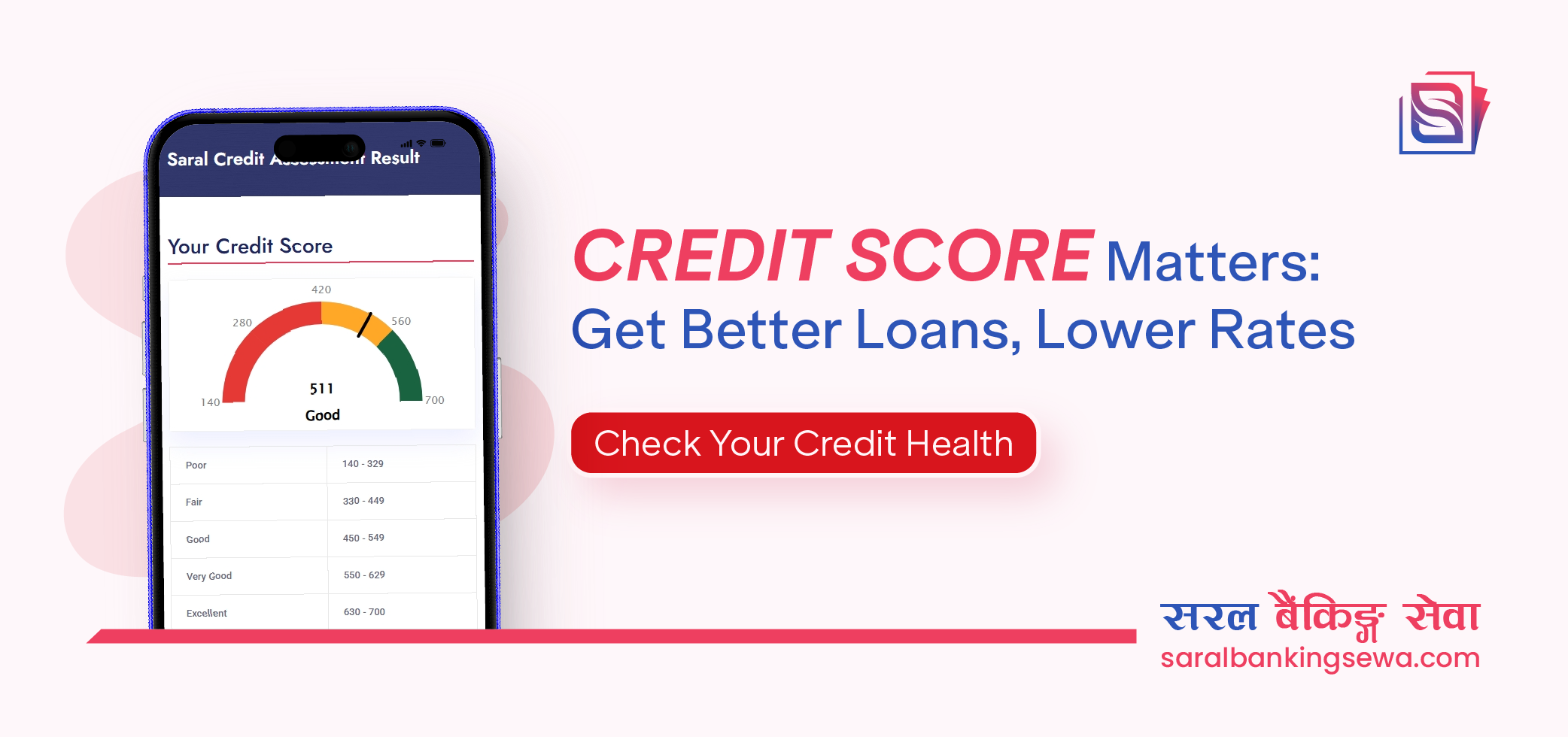
Your credit report is like a financial "report card" that tells banks how responsibly you handle debt. In Nepal, this information is managed by the CIB. Before approving your card, banks check this report to see your entire history with loans and credit.
The CIB report tracks your past loans, EMIs, and repayment habits. If you have a habit of paying your bills on time, your report stays clean, making you a "safe" bet for the bank.
However, if you have missed payments, defaulted on a loan, or have been blacklisted, your application will likely be rejected immediately. Even being a guarantor for someone else who failed to pay can hurt your chances, as it shows a potential risk to the bank’s money.
To qualify for a credit card in Nepal, you generally need to be between 18 and 60 years old with a stable monthly income, typically starting at NPR 15,000 to 25,000. Banks look for employment stability, usually requiring at least six months to a year in your current role to ensure consistent repayment ability.
To apply, you must provide essential documents, including your Citizenship certificate, PAN/VAT card, recent salary slips, tax clearance, and 6 months of bank statements to verify your financial standing.
Banks look at your Debt-to-Income ratio to see how much of your salary is already spent on other loans. If a large chunk of your monthly income goes toward existing EMIs for a car or home, the bank will see you as a high-risk borrower who might struggle to pay back more debt.
To boost your chances of approval, pay off smaller debts or close existing loans before you apply. Reducing your monthly EMIs shows the bank you have enough "room" in your budget to handle a credit card responsibly.
Past financial mistakes like late payments, missed EMIs, or loan defaults stay on your record and warn banks that you are a risky borrower. If you have ever been blacklisted for non-payment, getting a credit card becomes nearly impossible because your "financial report card" shows you haven't kept your promises to other lenders.
To repair your record, clear all overdue bills and pay every EMI exactly on time for at least 6 months. Consistent, on-time payments are the only way to prove to the bank that you have become a responsible borrower.
A rejection can happen simply because of paperwork mistakes. Missing your PAN card, providing outdated salary slips, or having different names on your Citizenship certificate and bank records can cause the bank to decline your application. They require perfect consistency to verify your identity and income.
Always double-check your application for typos and ensure all your documents match. Providing clear, recent bank statements and a valid PAN card is the easiest way to avoid a "no" over simple errors.
Banks value a steady career path. If you change jobs too often or have just started a new role, lenders may see your income as unreliable. Most banks in Nepal prefer to see that you have been with your current employer for at least 6 to 12 months before they trust you with a credit limit.
Avoid applying for a card right after switching jobs. Wait until you have at least six months of continuous service to prove to the bank that your income is stable and secure.
Banks review your account history to assess how you manage your money. If your balance is consistently near zero or your deposits are inconsistent, it suggests you might struggle to repay what you borrow. A "ghost" account with no regular activity is a major red flag for lenders.
Maintain a consistent balance and use your account for regular transactions. Showing a steady flow of money and a bit of savings proves you are financially stable enough to handle a credit card.
.png)
Even with a good income, simple errors can trigger an automatic rejection. Many applicants in Nepal fail to double-check their details, leading to avoidable setbacks.
Many people in Nepal don't realize that their credit reports might contain mistakes that could lead to an unfair rejection. Your report from the CIB could show loans as "unpaid" even after you've closed them, or it might have duplicate entries and outdated defaults that should have been cleared.
Check your CIB report before applying. If you find any errors, contact your bank or the Credit Information Bureau to fix them. Cleaning up your report card ensures the bank sees your true, updated financial history.
Your account balance shows how well you manage money. If you frequently let your balance drop to nearly zero or fail to meet minimum requirements, banks worry that you don't have enough savings to pay off future credit card bills.
Keep a steady balance for at least three months before you apply. Avoid making sudden, large withdrawals that leave your account empty, as a healthy balance proves financial discipline.
Many freelancers and small business owners use a family member's or friend's account for their transactions. However, if your income isn't deposited into an account in your own name, banks cannot verify how much you actually earn. This makes your financial profile appear weak, even if you are earning well.
Always use your own bank account for all income and expenses. Routing your earnings through your own account builds a documented transaction history that proves your income to the bank.
Many people apply for a credit card without checking if they actually qualify. If your salary is below the bank's minimum limit or you don't meet its specific employment requirements, you will be rejected immediately. Each rejection can make it harder to get approved in the future.
Read the bank's requirements carefully before applying. Make sure your monthly income and job type match their criteria so you don't waste an application on a guaranteed "no."
Some people inflate their salary on their application, hoping it will guarantee approval. However, banks in Nepal strictly verify these figures against your salary slips and bank statements. If the numbers don't match, the bank will flag it as a lack of transparency and reject your application immediately.
Always be honest and accurate about your earnings. Providing verifiable documents that match your application builds trust and ensures your request is processed smoothly.
Getting approved for a credit card in Nepal is easier when you focus on stability and preparation. Follow these steps to strengthen your application:
The best way to get approved is to show a history of responsible borrowing. Pay your utility bills, mobile installments, or any existing small loans on time. Regularly checking your CIB report and correcting any errors ensures that banks see a clean, reliable financial track record.
Consistency is key for lenders. Ensure your salary or business income is deposited regularly into your bank account. Avoid frequent job changes and aim to stay with the same employer for at least 6 to 12 months before applying, as this proves your income is steady and reliable.
If you already have several loans or high EMI payments, banks may worry about your ability to take on more debt. Try to pay off small outstanding debts or close unnecessary credit lines before applying. Lowering your overall debt-to-income ratio makes you a much safer candidate in the eyes of the bank.
Delays or rejections often happen due to missing or mismatched paperwork. Have your Citizenship certificate, salary slips, and 3–6 months of bank statements organized and up to date. Ensure the details in your application match your official documents exactly to avoid being flagged for inconsistencies.
If you are a first-time applicant or have a low credit score, consider a fixed deposit (FD)-backed credit card. In Nepal, most banks offer credit cards against a portion of your FD. This is an excellent way to enjoy card benefits while building the credit history needed to qualify for an unsecured card later.
A credit card rejection can be frustrating, but it isn’t a permanent "no." Usually, it is simply a signal that your financial profile needs a little more polishing, whether that means improving your credit score, stabilizing your income records, or cleaning up errors on your CIB report.
By practicing better financial discipline and spacing out your applications, you can transform your profile from "high-risk" to "highly eligible." Remember, a credit card is a powerful financial tool; building the right habits today will ensure you enjoy its long-term benefits tomorrow.
Take the first step toward approval: Don't guess, find out where you stand. Use the Saral Banking Sewa Credit Card Eligibility Checker Tool to see which cards you qualify for before you apply.
The most common reasons for credit card rejection includes a low credit (CIB) score, insufficient or unstable income, errors in your credit report, or working for a business the bank considers "high-risk."
While it varies by bank, most require a minimum monthly salary of NPR 15,000 to 25,000 for basic cards. Premium cards require significantly higher income.
You can request your credit report directly from the CIB or through most commercial banks, both of which charge a small fee.
Yes. If you have no credit history, you can start with a secured credit card (issued against a Fixed Deposit) to build your score from scratch.
It is best to wait 3 to 6 months. Use this time to improve your bank balance and resolve any issues that led to the initial rejection.
Yes. Multiple applications in a short time make you look financially desperate and can lower your credibility, leading to further rejections.
You can instantly check your eligibility by using the Saral Banking Sewa Credit Card Eligibility Checker, which matches your profile with bank requirements.
Typically, you need your Citizenship certificate, recent passport-size photos, salary slips (usually for 3 months), and a bank statement (3–6 months).
Maintain a steady bank balance, pay all bills on time, ensure your income is routed through your own account, and avoid frequent job changes.
Secured credit card is a card issued against a Fixed Deposit (FD). The bank uses your FD as collateral, making it the easiest way to get a card if you have a low score or no income proof.
You can compare the latest interest rates of credit cards and fees across all Nepalese banks on the Saral Banking Sewa website to find the most affordable option.
Yes. Banks strictly verify your income through your submitted salary certificates and by checking for regular deposits in your bank statements.
Banks where you already have a salary account or a Fixed Deposit are usually the most likely to approve your application quickly.